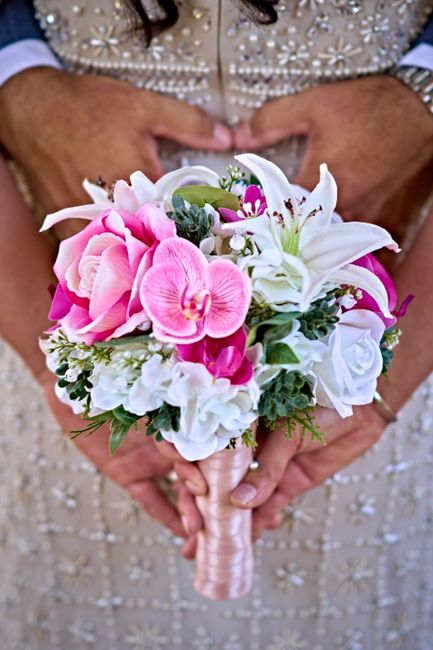
Hylands House wedding flowers planning for Chelmsford couples
Posted on 21/10/2026
Hylands House wedding flowers planning for Chelmsford couples: a practical guide to beautiful, stress-free florals
If you are planning a wedding at Hylands House, flowers are rarely a small detail for long. They shape the mood the moment guests arrive, set the tone for your ceremony photos, and help the whole day feel intentional rather than thrown together. For Chelmsford couples, Hylands House wedding flowers planning is about more than choosing a pretty bouquet. It is about working with the architecture, the season, your venue layout, and your budget so everything feels cohesive on the day.
Truth be told, that can feel like a lot when you are already juggling guest lists, timings, outfits, and the usual wedding chaos. But the good news is that a clear plan makes floral decisions much easier. In this guide, you will find a local, practical approach to wedding flowers at Hylands House: what matters most, how to structure your decisions, what to prioritise, and how to avoid the common mistakes that make floral planning more stressful than it needs to be.
And yes, we will keep it grounded. No fluff, no dreamy hand-waving. Just the kind of advice that helps you move from "we like peonies, maybe?" to a floral plan that actually works in the real world.
Table of Contents
- Why Hylands House wedding flowers planning for Chelmsford couples Matters
- How Hylands House wedding flowers planning for Chelmsford couples Works
- Key Benefits and Practical Advantages
- Who This Is For and When It Makes Sense
- Step-by-Step Guidance
- Expert Tips for Better Results
- Common Mistakes to Avoid
- Tools, Resources and Recommendations
- Law, Compliance, Standards, or Best Practice
- Options, Methods, or Comparison Table
- Case Study or Real-World Example
- Practical Checklist
- Conclusion
- Frequently Asked Questions
Why Hylands House wedding flowers planning for Chelmsford couples Matters
Hylands House is the sort of venue that quietly asks a bit more from your flowers. Its setting, scale, and elegant period feel mean your arrangements need to complement the space rather than fight it. A small bouquet that looks lovely in a shop may disappear in a grand room. A giant arrangement can feel overpowering if it is not designed carefully. That balance matters.
For Chelmsford couples, the venue is also part of the story. You are not choosing flowers in a vacuum. You are planning around travel routes, seasonal weather, ceremony logistics, photo backdrops, and how your guests will move through the day. A well-planned floral scheme supports all of that quietly in the background. It is doing a lot, even when no one says so out loud.
There is also a practical side. Flowers are one of the easiest parts of a wedding to overspend on or underspecify. People often start with Pinterest ideas, which is fair enough, but then forget to ask: How many tables are there? Where will the buttonholes go? What needs to survive several hours? Which pieces can be reused after the ceremony? Those questions save money and stress.
Expert summary: the best Hylands House wedding flowers are not simply the prettiest ones. They are the ones that suit the venue, the season, the schedule, and the couple's priorities without becoming a logistics headache.
That is especially true if you want your florals to feel elegant in photos. Hylands House has strong visual character already, so the flowers should echo the setting with confidence, not noise. A good florist will think about scale, proportion, colour temperature, and the way arrangements photograph in natural daylight and indoor ceremony light. Sounds technical? A little. But those details are exactly what make a wedding look polished rather than merely decorated.
How Hylands House wedding flowers planning for Chelmsford couples Works
Flower planning usually starts with the big picture: your style, your budget, and the parts of the day that need flowers most. From there, it becomes a series of design and logistics decisions. The process is simple in principle, though weddings rarely stay perfectly simple for long.
Most couples begin by deciding on a floral direction. That may be classic romance, garden-style softness, modern minimalism, or something seasonal and slightly looser. Once that direction is clear, the florist can suggest flower types, colours, and the right scale for each part of the day.
At Hylands House, the arrangement plan often includes:
- the bridal bouquet
- bridesmaid bouquets
- buttonholes or boutonnieres
- ceremony arrangements
- table centres or reception florals
- any statement pieces for photos or entrances
The practical trick is that not every floral item needs to do the same job. Your bouquet is about personal style and carrying comfort. Table flowers are about atmosphere and sight lines. Ceremony flowers frame vows and help the room feel complete. Buttonholes need to be durable and neat. Each piece has a different function, which is why one-size-fits-all planning usually disappoints.
You will also want to consider timing. Fresh flowers are living material, after all. They need to be prepared close enough to the wedding to stay vibrant, but not so close that the delivery schedule turns into a panic. In our experience, couples relax a lot when they realise that flower planning is not about micromanaging stems. It is about agreeing the right brief and letting the florist do the craft.
If you are looking for a starting point, browsing a dedicated wedding flowers collection can help you understand the style families available, while specific pieces like bridal bouquets and table arrangements give a clearer sense of scale and presentation. That is often more useful than staring at a hundred unrelated inspiration images and hoping for clarity to magically appear. It does not. Sadly.
Key Benefits and Practical Advantages
A solid floral plan gives you more than pretty arrangements. It makes the whole day easier to manage and, to be fair, more enjoyable. Here is why couples usually benefit from planning properly instead of improvising late in the process.
1. Better use of budget
Once you know which pieces matter most, you can allocate budget intelligently. Many couples choose to spend more on the bouquet, ceremony focal points, and one or two memorable reception features, then keep the rest simple. That tends to look smarter than spreading money too thinly across too many minor items.
2. Stronger visual cohesion
Flowers can tie together very different parts of the wedding day. A bouquet that echoes the table flowers, buttonholes, and bridesmaids' details makes the whole event feel considered. That cohesion is especially valuable at a venue like Hylands House, where the room already has strong character and the florals need to sit comfortably within it.
3. Easier photography
Good florals create natural framing in photos. They soften edges, add texture, and draw the eye without stealing the scene. Photographers usually love a bouquet that has shape and movement, and guests always notice the tables that feel full but not cluttered.
4. Less day-of stress
When deliveries, installation, and breakdown are thought through in advance, the morning runs more smoothly. That sounds obvious, but it is the sort of obvious thing that gets missed when everyone is focused on the excitement. A floral plan should quietly reduce decisions on the wedding day, not create them.
5. A more personal finish
Flowers are one of the few wedding elements that can be both decorative and deeply personal. A favourite bloom, a seasonal palette, a nod to family traditions, or a colour story that reflects your relationship - these details matter. Not in a dramatic way. Just enough to make the day feel like yours.
Who This Is For and When It Makes Sense
Hylands House wedding flowers planning is especially useful for couples who want their wedding to feel elegant, coordinated, and calm rather than overdone. If you care about the venue looking beautiful in person and in photographs, this planning stage matters a lot.
It makes particular sense for you if:
- you want a clear floral plan instead of making decisions piece by piece
- you are working with a set budget and need to prioritise wisely
- you are getting married in spring, summer, or early autumn and want seasonal flowers
- you want ceremony and reception flowers to work together
- you are interested in a polished look without unnecessary excess
- you want advice from someone who understands how flowers behave in a venue setting
It is also the right kind of planning if you are unsure what you actually need. Many couples start by asking for "just some flowers," then realise there are far more moving parts: ceremony arrangements, bridesmaid bouquets, buttonholes, registrar table styling, reception displays, and maybe a few extra stems for the cake table or welcome area. Nothing wrong with that. It is normal. Weddings have a sneaky way of multiplying small details.
If you are the practical one in the relationship, this section may already feel like a relief. If you are the dreamy one, it may feel a bit more structured than you expected. Both are helpful. Honest.
Step-by-Step Guidance
Here is a straightforward way to plan wedding flowers for Hylands House without getting lost in the weeds.
Step 1: Define the mood first
Start with feeling, not flowers. Do you want romantic and soft, modern and clean, garden-inspired, or bold and colourful? A mood board can help, but keep it focused. Three to five images are often enough to show a pattern. Twenty images are mostly noise.
Step 2: Think about the venue spaces
Map out where flowers will actually be seen. Ceremony room, aisle, entrance, photo spots, dining tables, top table, cake area, and possibly a staircase or focal wall depending on your layout. This is where couples often get a surprise: they wanted "flowers everywhere," but the budget works better when flowers are concentrated in the places guests notice most.
Step 3: Choose your priority items
Most couples should prioritise the bouquet, ceremony focal arrangements, and the main reception tables. Buttonholes and smaller decorative touches can follow once the core pieces are set. If you have to scale back, these decisions make it easier.
Step 4: Select seasonal flowers where possible
Seasonal flowers usually give better value and a more natural look. They are also easier to source in shapes and tones that feel fresh, rather than forced. Ask what is in season around your wedding month and what alternatives give a similar style if a favourite flower is unavailable.
Step 5: Decide what can be reused
Some arrangements can move from ceremony to reception. That is one of the smartest ways to stretch your budget. A ceremony meadow arrangement may later become a top-table feature or welcome display. A few clever shifts can save quite a lot without anyone noticing. In a good way, obviously.
Step 6: Confirm logistics early
Delivery windows, access, storage, and installation need to be agreed well before the day. The florist should know when the venue is accessible and where arrangements will be placed. If you are not sure, ask early. It is much easier to clarify now than on a Friday afternoon with everyone standing around holding ribbon.
Step 7: Finalise names, counts, and wording
Confirm the number of bouquets, buttonholes, table centres, and any special family flowers or tribute pieces. Slight wording mistakes happen more often than people admit, especially when there are several similar names in one wedding party. It happens. Better to catch it before the stems are tied.
Expert Tips for Better Results
Good floral planning is partly design, partly common sense. A few small choices can elevate the whole result.
- Match flower scale to venue scale. Hylands House can handle elegant statement pieces, but oversized arrangements only work when they are balanced properly.
- Use texture, not just colour. Different bloom shapes and foliage layers make arrangements feel richer and more expensive-looking.
- Keep bouquet comfort in mind. A bridal bouquet can look beautiful and still feel heavy if it is built too densely.
- Allow for photos. Bouquets and ceremony florals should look good from more than one angle, not only head-on.
- Be realistic about delicate flowers. Some blooms are more fragile in warm rooms or long wedding days.
- Choose one or two "hero" moments. Maybe the bouquet and ceremony backdrop. Maybe the tables and entrance. You do not need everything to shout.
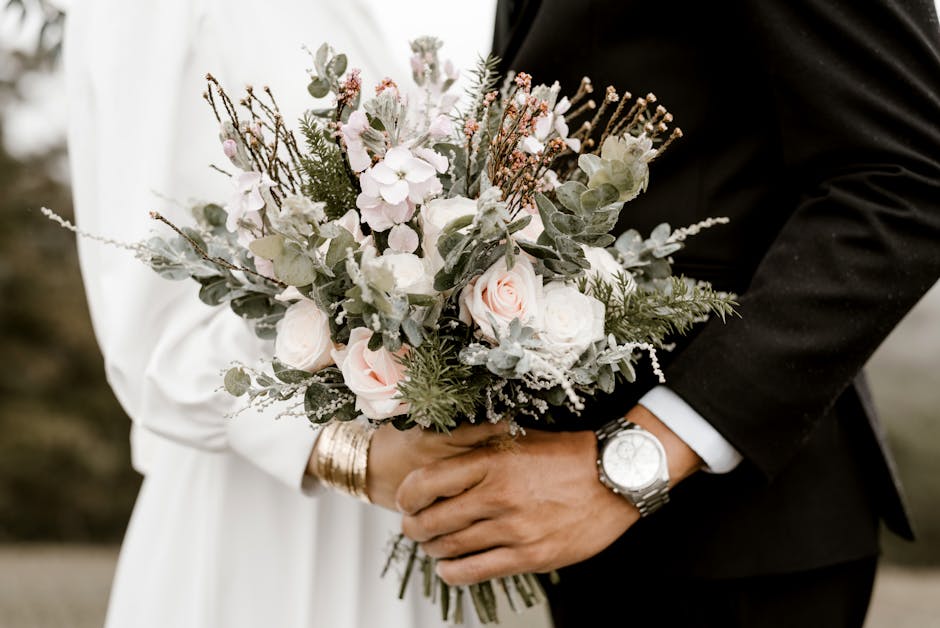
A small but useful tip: if you want a classic, romantic feel, white and green compositions usually sit beautifully in period venues. If you want warmth or a more personal seasonal look, muted blush, soft peach, and deeper accent tones can add character without overwhelming the room. For couples who love a more luxurious finish, a carefully edited arrangement can feel richer than a packed, busy one. Less can really be more. A bit annoyingly, sometimes.
You might also look at wedding-focused items such as buttonholes and bridesmaid bouquets as part of the overall picture. They do not always get the headline attention, but they help the styling feel complete.
Common Mistakes to Avoid
Here is where many couples trip up. Not because they are careless, just because wedding planning is full of moving parts and flower decisions are easy to underestimate.
Choosing flowers before defining the spaces
It is tempting to pick favourite flowers first, but the venue layout should lead the conversation. A bloom that looks perfect in a bouquet may not be the best choice for a tall ceremony display or a low table centre.
Over-ordering small pieces
Lots of little arrangements can create a sense of abundance, but they also fragment the budget. A few stronger focal pieces usually deliver more visual impact.
Ignoring seasonality
Off-season requests can still work, but they may be more expensive or less reliable. If a couple is set on a specific flower, it is better to understand the trade-offs early.
Forgetting about room temperature and timing
Flowers last differently depending on the season, indoor conditions, and how long they are waiting before the ceremony. A florist should guide you here, but couples should still ask. Especially for warm summer weddings or long event days.
Not planning for repurposing
Some flowers only work once; others can do double duty. If you do not ask about reuse, you may end up paying for display pieces that could have served two areas.
Being vague about colour
"Blush" can mean five different things. "White and green" sounds clear until the green becomes too bright or the white too ivory. If your colour palette matters to you, define it with examples and honest conversation rather than hope.
Tools, Resources and Recommendations
You do not need a complicated toolkit to plan wedding flowers well, but a few simple resources help.
- A mood board: Use it to show the overall feel, not every single bouquet you have ever saved.
- A wedding day timeline: This helps with delivery, setup, and transfer between spaces.
- A venue layout or floor plan: Essential if you want to understand where arrangements will sit and how guests will move around them.
- A budget split: Know how much is set aside for bouquets, ceremony, and reception flowers before you start adding extras.
- A list of names and counts: Helpful for bridal party pieces, family buttonholes, and any special tributes.
If you are comparing floral styles, browsing curated ranges can give you a practical sense of what is available. A collection such as white wedding collections is useful if you want a classic, refined look, while something like Forever Yours wedding collection may feel more romantic and expressive. For couples wanting a cohesive plan that spans bouquets and table pieces, reviewing the Perfect Match wedding collection can make decision-making much easier.
For local support, a Chelmsford florist can help interpret the venue, the season, and your personal style into something workable. That local knowledge is often worth more than a generic suggestion list, because it turns inspiration into an actual plan.
Law, Compliance, Standards, or Best Practice
Wedding flowers are not heavily regulated in the same way as some services, but there are still sensible best practices worth following. Couples should expect their florist to handle products carefully, communicate clearly, and provide honest guidance about what is realistic for the date and setting.
For example, if flowers need to be delivered to the venue, the florist should coordinate access and timing respectfully. If candles, ribbons, or decorative props are being used alongside flowers, venue rules may apply to placement and safety. That part is not glamorous, but it matters. Hylands House, like any wedding venue, may have its own operational guidance on delivery slots, setup areas, and what can be installed where. Always confirm those details directly with the venue and supplier.
From a standards point of view, good practice usually includes:
- clear itemised order confirmation
- agreed colours, quantities, and substitute options
- transparent delivery and setup arrangements
- realistic advice about seasonal availability
- care instructions for keeping flowers fresh before and during the day
It is also sensible to review customer terms, payment details, and any refund or substitution policy before you commit. That is not being awkward. That is simply wedding planning with eyes open. If you ever need to double-check how a business handles orders, the terms and conditions, returns and refund information, and delivery details are the kind of pages worth reading early rather than after the fact.
Options, Methods, or Comparison Table
Different floral approaches suit different budgets, venues, and personalities. There is no single best method, but there is usually a best fit.
| Approach | Best for | Strengths | Things to watch |
|---|---|---|---|
| Classic structured florals | Formal or traditional weddings | Clean lines, elegant finish, easy to coordinate | Can feel too rigid if you want a looser garden look |
| Seasonal garden-style flowers | Couples who want a soft, romantic feel | Natural movement, good texture, often better value in season | Requires trust in the florist's selection and substitutions |
| Statement focal pieces | Smaller budgets that need impact | High visual return in key areas like ceremony or entrance | Less coverage elsewhere, so the rest must be planned carefully |
| All-round styling | Couples who want every space dressed | Consistent look across the day | Can become costly and sometimes overcomplicated |
One practical rule of thumb: if your venue already feels grand, you often get the best result from fewer, stronger floral moments rather than lots of tiny ones. If your wedding is more intimate, softer styling can feel more inviting. There is no mystery here, really. You are just matching flower strategy to room character.
Case Study or Real-World Example
Consider a couple planning a spring wedding at Hylands House. They loved pale roses, ranunculus, and soft greenery, but they were nervous about the budget and unsure how much decor the venue actually needed. They started with a broad idea of "lots of flowers," which, as you can guess, is charming but not very useful.
After mapping the day, they prioritised three areas: a bridal bouquet with enough shape for photos, two ceremony arrangements that could later move to the reception, and a series of simple but elegant table centres. Buttonholes were kept neat and minimal. Instead of spreading flowers thinly across every surface, they invested in the spaces guests would truly notice.
The result was calm and coherent. The bouquet looked balanced in photos, the ceremony space felt special without becoming busy, and the reception tables carried the style forward. Nothing felt overdone. Guests noticed the softness of the room more than any single bloom, which is often the sign that floral planning has worked well.
The funny part? The couple later said the decision to reuse ceremony flowers for the reception was the one that saved them the most stress. Not glamorous. Very useful. Exactly the sort of decision that makes the day feel smoother.
Practical Checklist
Use this checklist to keep your Hylands House floral planning on track.
- Confirm your wedding date and venue access times
- Decide your overall floral style or mood
- Set a realistic budget before shopping around
- List the spaces that actually need flowers
- Choose priority items first: bouquet, ceremony, reception
- Ask which flowers are seasonal for your date
- Confirm counts for bouquets, buttonholes, and table pieces
- Check whether ceremony florals can be reused later
- Review delivery, setup, and collection arrangements
- Agree any substitute flowers in advance
- Keep names, spellings, and quantities written down
- Ask about care instructions for the bridal bouquet on the morning of the wedding
- Read the florist's payment and policy details carefully
A quick note here: if a detail feels small now, it often becomes big on the wedding morning. Keep the list. Keep it simple. You will thank yourself later.
Get a free quote today and see how much you can save.
Conclusion
Hylands House wedding flowers planning for Chelmsford couples works best when it feels thoughtful, not frantic. Start with the venue, build around your priorities, and keep the design grounded in what will actually look good, last well, and support the day rather than complicate it. That is the heart of it.
Whether you are drawn to classic white florals, romantic blush tones, or seasonal blooms with a softer garden feel, the right plan will make the venue feel even more special without overwhelming it. And if you are unsure where to begin, that is perfectly normal. Most couples are not flower experts. You do not need to be. You just need a clear direction and a florist who understands how to make it work in the real world.
When the flowers are right, people feel it immediately - in the photos, in the room, and in that quiet little moment when everything comes together. Lovely, really.
Frequently Asked Questions
What flowers work best for a Hylands House wedding?
Flowers that suit the scale and style of the venue tend to work best. Many couples choose roses, lisianthus, orchids, hydrangeas, alstroemeria, or mixed seasonal blooms depending on the look they want. The right choice usually depends more on the mood and season than on the flower name alone.
How far in advance should we plan wedding flowers for Hylands House?
It is sensible to begin planning several months ahead, especially if you want specific flowers or a detailed setup. Earlier planning gives you more flexibility with seasonal availability, budget, and design changes. Leaving it late can still work, but it narrows the options.
Can wedding flowers be reused between the ceremony and reception?
Yes, often they can. Reusing ceremony arrangements for the reception is a smart way to stretch the budget and reduce waste. The exact pieces that can be moved will depend on your layout and timings, so it is worth discussing this early.
How much should Chelmsford couples budget for wedding flowers?
Budgets vary a lot depending on the number of arrangements, flower types, and design complexity. A better approach is to decide what matters most to you, then allocate money by priority. That gives a more realistic result than choosing a number at random and hoping for the best.
Do we need flowers for every part of the venue?
No, and many weddings look better when flowers are used selectively. Focus on the spaces guests will actually see and remember, such as the ceremony area, the bouquet, the main tables, and any key photo spots.
What if our favourite flower is out of season?
A good florist will suggest alternatives with a similar shape, tone, or feel. Seasonal substitutions are common in wedding work, and they can actually improve the result if the replacement flowers suit the venue and time of year better.
Should bridesmaid bouquets match the bridal bouquet exactly?
Not necessarily. They should coordinate, but they can be slightly smaller, simpler, or adapted in colour. In many weddings, a related but not identical design looks more elegant than a carbon copy.
Are buttonholes still worth including?
Yes, if you want the wedding party to look cohesive. Buttonholes are small, but they help tie the styling together. They also photograph well in close-up shots, which people often forget until the album comes back.
What information should we give the florist?
Provide the wedding date, venue name, ceremony and reception locations, guest count, colour preferences, bouquet and table requirements, and any family or cultural details that matter. The clearer the brief, the easier it is to create something that fits properly.
Can we choose a very simple floral style and still make it look special?
Absolutely. Simplicity can be beautiful when the design is thoughtful and the flowers are well chosen. A restrained palette with good texture often feels more refined than a crowded arrangement with too many competing elements.
What should we ask about delivery and setup?
Ask when the flowers will arrive, who will place them, how long setup takes, and whether anything needs to be collected later. It is also wise to check access arrangements with the venue so nobody is guessing on the day.
How do we make sure the flowers suit Hylands House specifically?
Share venue photos, floor plans if available, and any details about the ceremony and reception spaces. A florist with local experience will use that information to recommend scale, colour, and arrangement styles that suit the setting rather than overpower it.